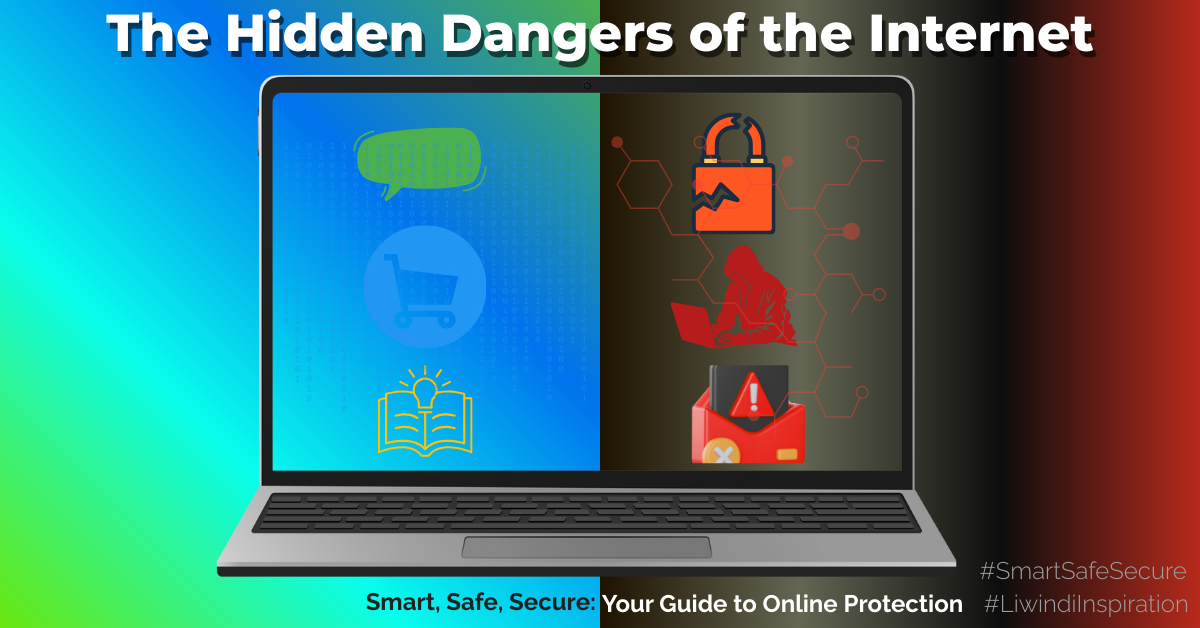
Part 1: The Hidden Dangers of the Internet
The internet has become an integral part of almost every aspect of our lives, including work, learning, shopping, entertainment, and even worship. Yet, behind the convenience and speed lies a darker side that many people underestimate. In the digital world, thugs don’t need guns or masks; all they need is access to your personal information. With a few clicks, they can carry out cybercrime, steal money, impersonate you, or exploit your loved ones.
This is why internet safety is no longer optional; it is essential. To stay safe, we must first open our eyes to the hidden dangers of the internet.
1. Predators in the Digital Space
Online predators and cybercriminals no longer wait in dark alleys; they hide behind fake profiles, phishing emails, and counterfeit websites. Their weapons are scams, fraudulent job offers, and even romance tricks. They exploit emotions, fear, greed, or compassion to lure people into traps.
Think about this: one innocent click on a “congratulations, you’ve won” message can expose your passwords, bank details, or identity. Online dangers are real, and anyone can be a target.
2. Oversharing: Innocent but Risky
We live in a culture of sharing — birthdays, family photos, locations, and achievements are posted without much thought. While this connects us with friends, it also provides criminals with free intelligence.
A birthday can help hackers guess your password. A vacation post tells thieves your house is empty. A child’s school name can attract predators. What feels like harmless fun online can actually open doors to identity theft and security risks.
3. Cyberbullying and Emotional Harm
Cyberbullying has become one of the fastest-growing online dangers. Cruel comments, shaming, or threats through social media and messaging apps can harm confidence and mental health especially for children and teenagers. Unlike traditional bullying, online harassment follows victims everywhere. The scars may be invisible, but the pain is very real.
4. Fake News and Misinformation Traps
In today’s digital age, fake news and misinformation spread faster than the truth. False health advice, conspiracy theories, and manipulated images can mislead millions. If we don’t practice digital safety, we may make poor decisions — from financial mistakes to risky health choices — based on lies. Worse still, we may inadvertently contribute to the problem by unknowingly sharing false information.
5. The New Face of Crime
Traditional crime required physical presence — a burglar breaking into your house or a robber carrying a weapon. But now, crime has shifted. Cybercrime threats allow criminals to rob bank accounts, spread viruses, or damage reputations from the comfort of their rooms. The battlefield has changed, and so must our defenses. Practicing online protection is the new form of self-defense.
Call to Action (CTA):
Don’t wait until you become a victim of cybercrime to take internet safety seriously.
👉 Today, take 5 minutes to review your online accounts. Check what personal details are visible to the public and adjust your privacy settings. Small steps now can protect you and your family from hidden online dangers.
#InternetSafety #CyberSecurity #OnlineProtection #DigitalSafety #SmartSafeSecure #LiwindiInspiration
Leave a Reply