I’ll never forget the day a close friend called me late at night, her voice trembling as she shared devastating news about a family member. My first instinct was to say something, anything, that might make her feel better. My mind scrambled for words, but everything that came up felt shallow, cliché, or just wrong.
So instead, I paused and finally admitted, “I honestly don’t know what to say… but I’m here.”
To my surprise, she sighed with relief. “That’s enough,” she whispered. And in that moment, I realized something powerful: people don’t always need perfect words. They need presence. They need honesty. They need to know they are not alone.
That experience showed me one of life’s greatest cheat codes:
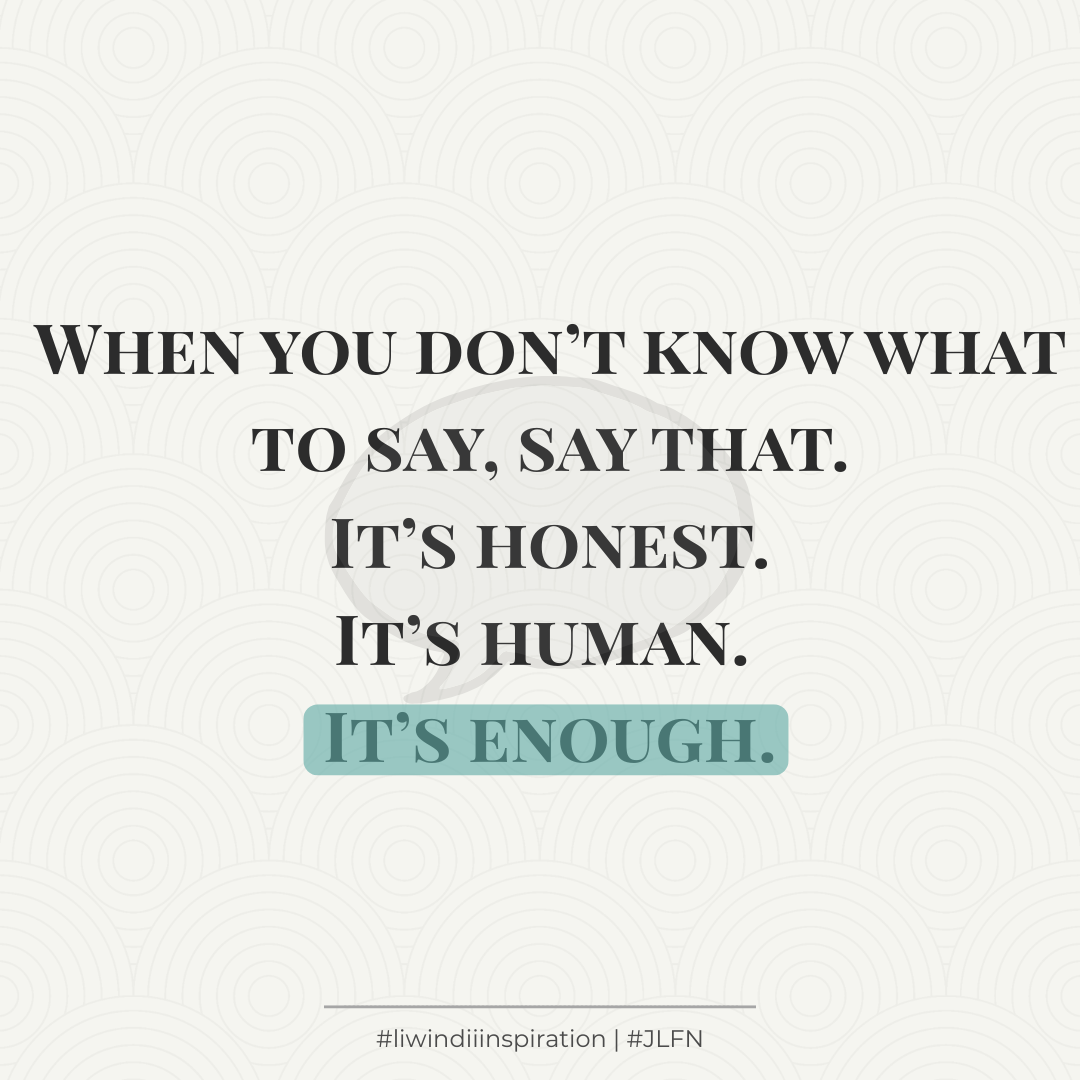
“When you don’t know what to say, say that. ‘I don’t know what to say.’ It’s honest. It’s human. It’s enough.”
We often underestimate how much comforting someone comes not from advice or perfect responses, but from presence, acknowledgment, and honesty.
The Power of Honest Silence
Silence in conversations often feels awkward. Our culture teaches us to fill every gap with chatter, solutions, or positivity. But silence, when paired with presence, is powerful.
Admitting, “I don’t know what to say” is a form of honest communication in hard times. It validates the moment without masking pain under forced words. Silence, instead of being empty, becomes a space filled with empathy.
Why “I Don’t Know What to Say” Is Enough
When people are hurting, they’re not looking for rehearsed lines or clichés. They want sincerity. Saying, “I don’t know what to say” is a deeply human response; it shows vulnerability and authenticity.
Generic phrases like “Everything happens for a reason” or “Stay strong” can unintentionally dismiss someone’s pain. But honesty, even in its simplest form, lands with compassion.
This is why what to say when you don’t know what to say is often exactly that: admitting it.
Presence Over Perfection
No words can erase grief or hardship. That’s why presence over words matters most. Showing up for someone, whether through a call, sitting quietly beside them, or simply checking in, communicates care far more than perfect phrasing ever could.
Think about it: in your most painful moments, do you remember what people said to you? Or do you remember who showed up?
When Words Fail, Show Up
Actions often speak louder than words. A hand on someone’s shoulder, preparing a meal, or quietly sitting beside a grieving friend can mean more than advice.
This is emotional support without fixing. It reassures the person that they’re not alone, that their pain is seen and respected.
The Trap of Filling Silence with Nonsense
Because silence feels uncomfortable, many of us rush to fill it with chatter or platitudes. But forced positivity, nervous jokes, or unsolicited advice can unintentionally make someone feel unseen.
Instead, allow silence. Let it breathe. Sometimes the most compassionate thing you can do is resist the urge to fix.
Advice Isn’t Always the Answer
We live in a “fix it” culture where every problem must have a solution. But when someone is hurting, advice is not always helpful. In fact, it can feel dismissive.
More often, people don’t want you to solve their problems; they want to be heard. Showing empathy without advice is sometimes the greatest gift you can give.
Acknowledgment Heals More Than Solutions
Saying, “That sounds really hard,” or “I can’t imagine how you feel, but I’m here” validates pain. This is acknowledgment over solutions, a way of saying, “Your feelings matter, and you don’t have to carry them alone.”
Acknowledgment doesn’t erase the hardship, but it makes the burden lighter because someone else is sharing it.
The Strength of Vulnerability in Conversations
It takes courage to admit, “I don’t know what to say.” It feels like weakness, but it’s actually a strength. Vulnerability opens the door to a deeper human connection.
By being real, you give others permission to be real too. That’s honest communication in hard times—raw, simple, and deeply healing.
Holding Space Without Fixing
To hold space for others means letting them exist in their pain without judgment or rushing to make things better. It means sitting with their emotions instead of trying to erase them.
This discipline of compassion creates emotional safety. It tells the other person: “You are allowed to feel what you feel, and I won’t run from it.”
“I’m Here” as the Ultimate Comfort
At the end of the day, the most powerful words are the simplest: “I’m here.”
This small phrase communicates more than advice or solutions ever could. It’s the essence of comforting someone, a reminder that they are not alone, even when life feels unbearable.
Conclusion
Life doesn’t hand us scripts for hard conversations. But it does offer us a cheat code: when you don’t know what to say, admit it.
Honesty beats empty words. Presence beats perfection. Acknowledgment beats solutions. And “I don’t know what to say, but I’m here” may just be the most healing phrase of all.
👉 Next time you find yourself in a moment where words fail, try this cheat code. Don’t force perfection, just be real, be present, and be there. You’ll be surprised how much it means.
Leave a Reply